Looking at and realizing the significance of this Iranian Silk Road prototype caravanserai and its similarity to mid-20thcentury travel lodging in the United States, such as the Holiday Inn prototype shown below, one cannot but pick up on its conceptual similarities of size, shape, interval, and position of its geometric shapes and fort like imagery:

The Dayr-e-Gachin “travel lodge” above was originally built as overnight lodging facilities along the the ancient “Silk Road” in Iran, between 224 and 651 CE. It is now a part of a National Park and is know as the “mother of all caravanserai”. Many links to its history can be found.

1500 years or so later the Holiday Inn guy in Tennessee picked up on the same scheme and began building 1400 or so of these look alike schemes shown above. They are now throughout the country and the world; those that are left I mean.
These overnight travel facilities are at least 1500 years apart, but the same.
The fortress type imagery and functionality was of course necessary back in the day of the Silk Road, however the Holiday Inn prototype took it less seriously, but afforded instead a place for a swimming pool. A pool on the silk road was probably not something that came to mind.
Other variations of this geometry can be seen in twisted forms as seen here in San Francisco’s Fort Point:
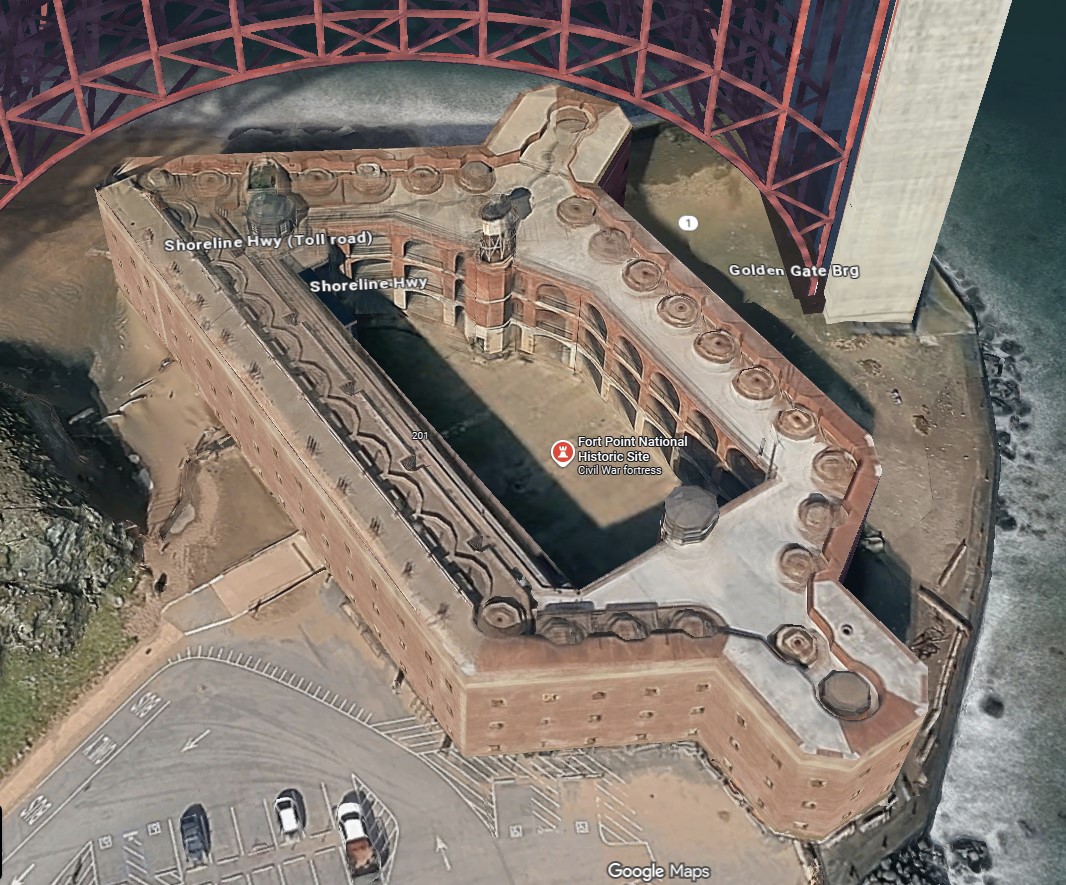
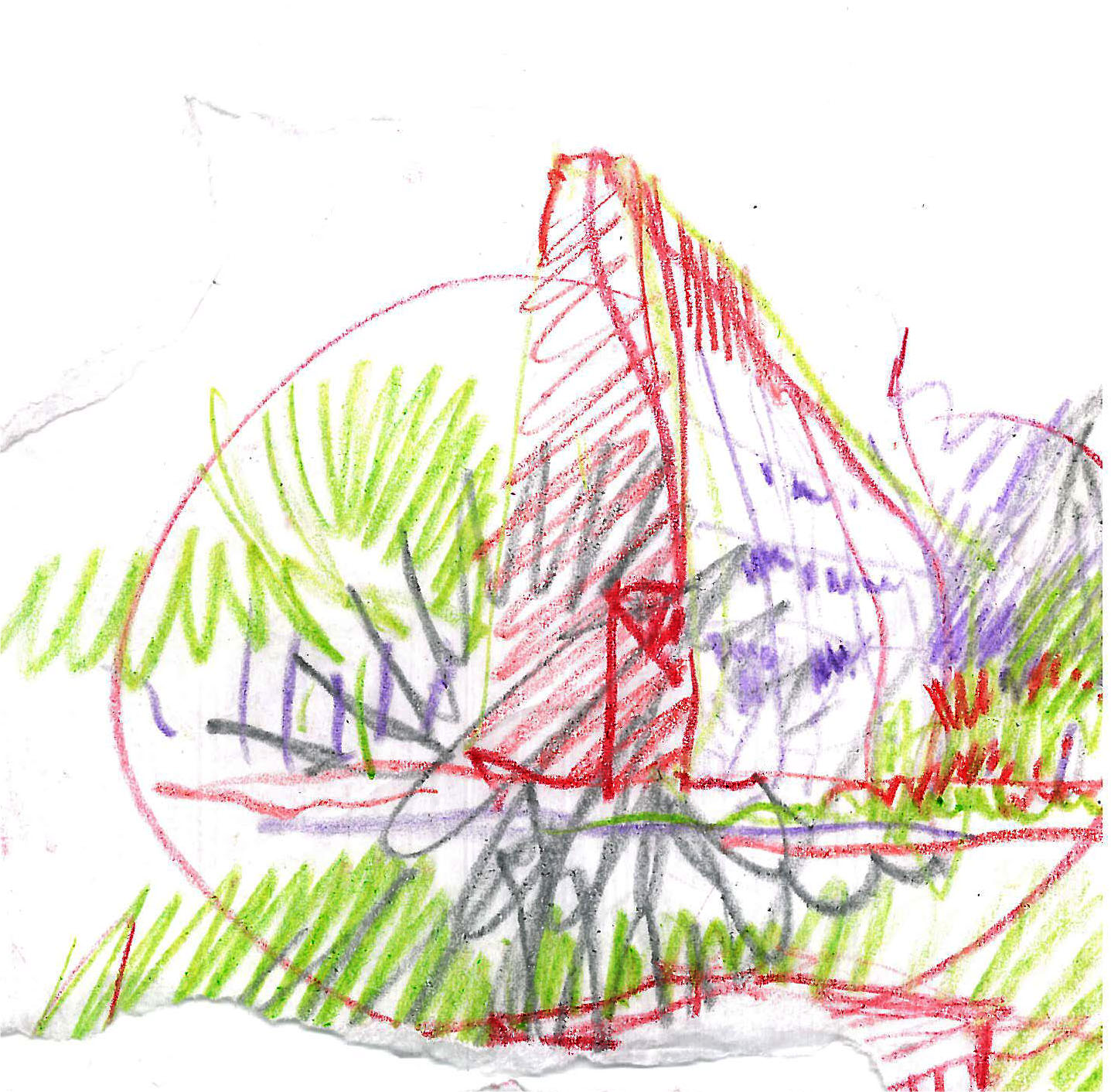
This ancient plan diagram can be brought into other more contemporary building types through idea sketches such as the watercolor sketches for a home in Sonoma County (shown further on) as well as other motel types set up by the original Holiday Inn illustration above. Some of these motels can be seen along the El Camino Real on the San Francisco Peninsula, also shown further on. Same thing, different scale.
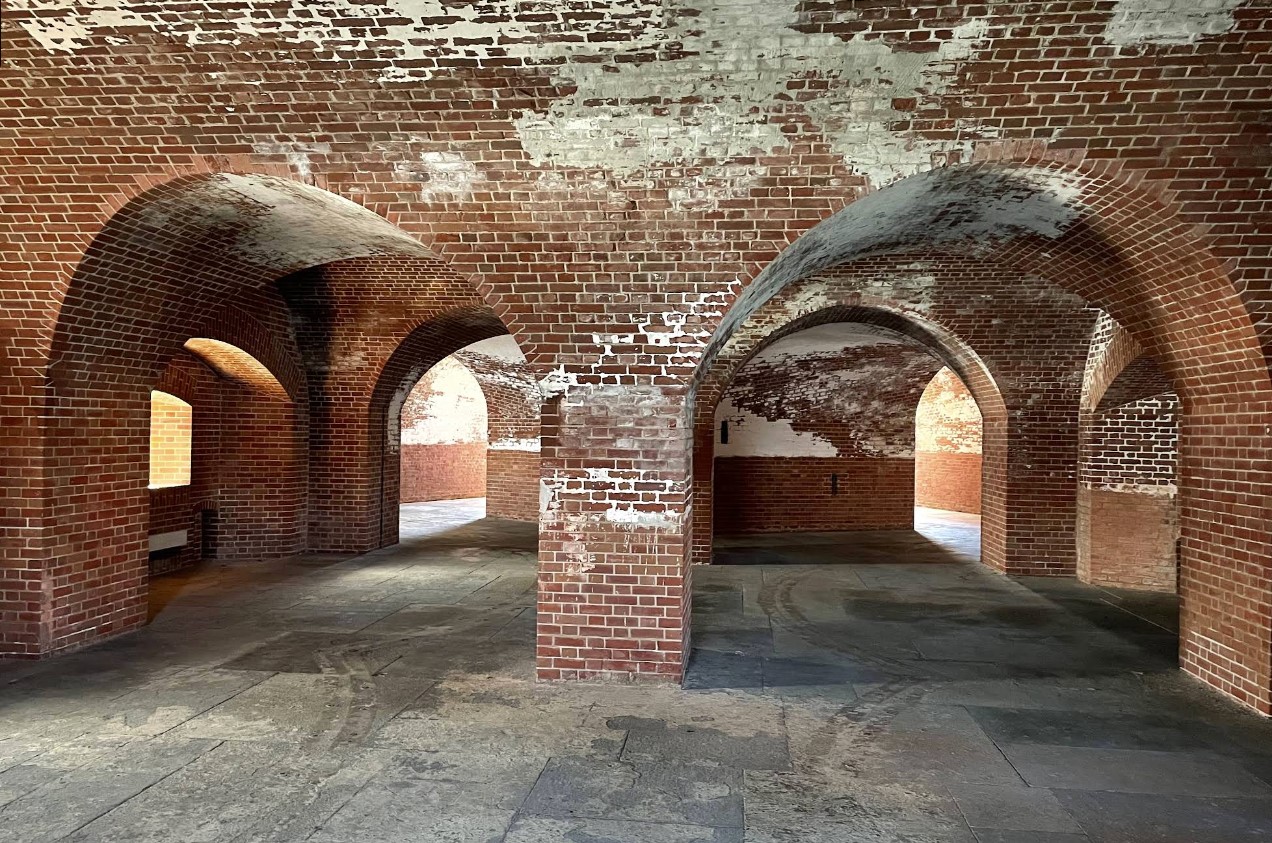
Interesting uses of brick shown below in both structures, the Dayr-e Gachin and Fort Point:


Other uses of this ancient idea in contemporary residential architecture:
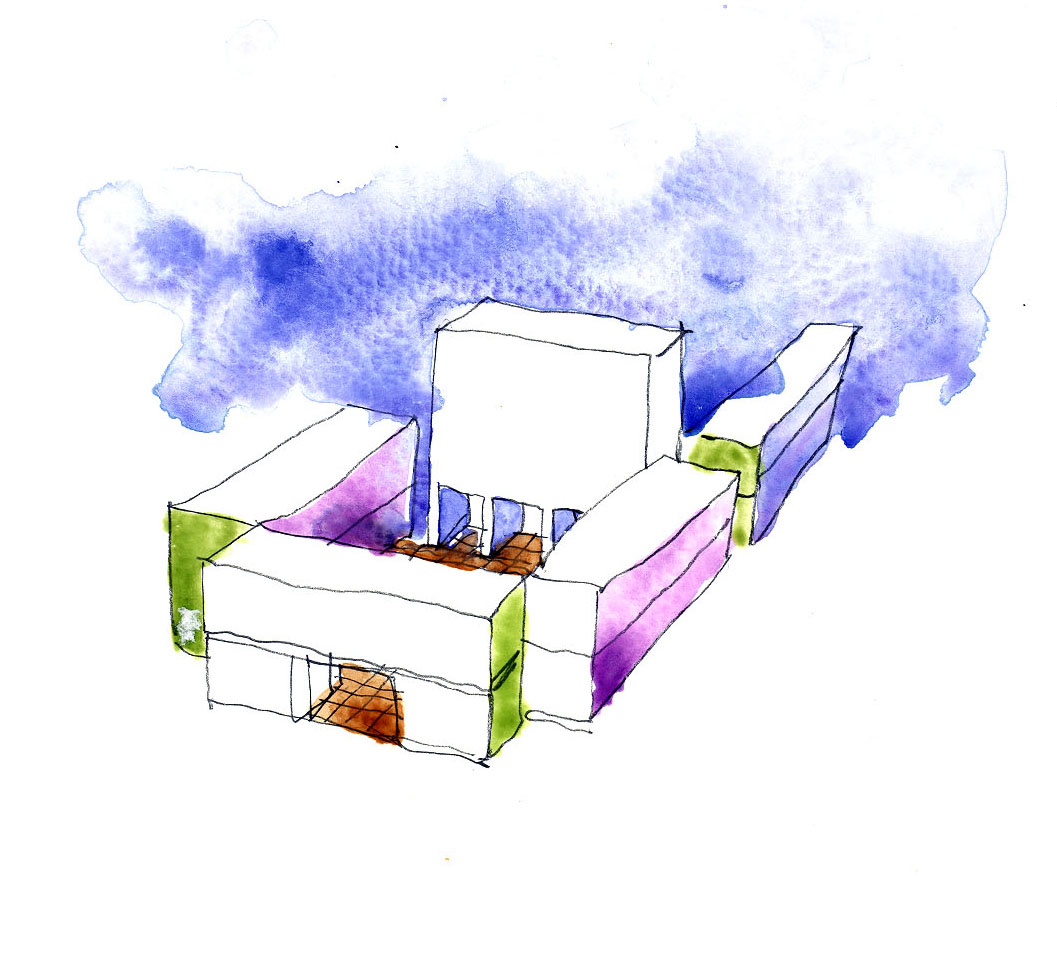
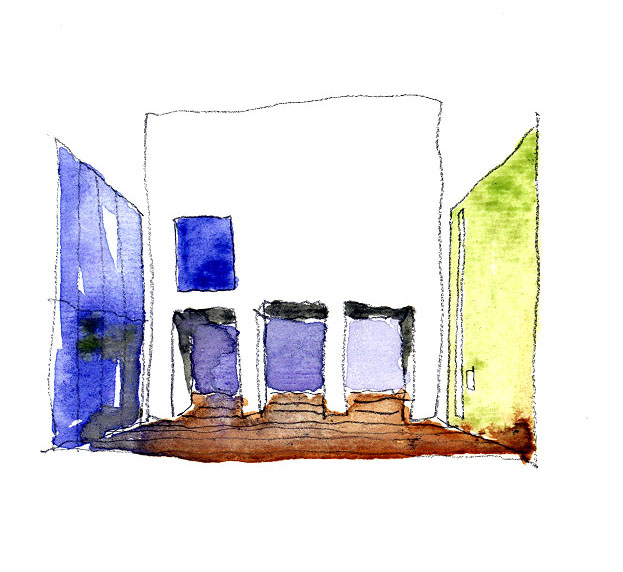
Similarities in terms of massing size (scaled down), shape, attitude, position, and direction of the parts referred to earlier are shown above in these residential study sketches.
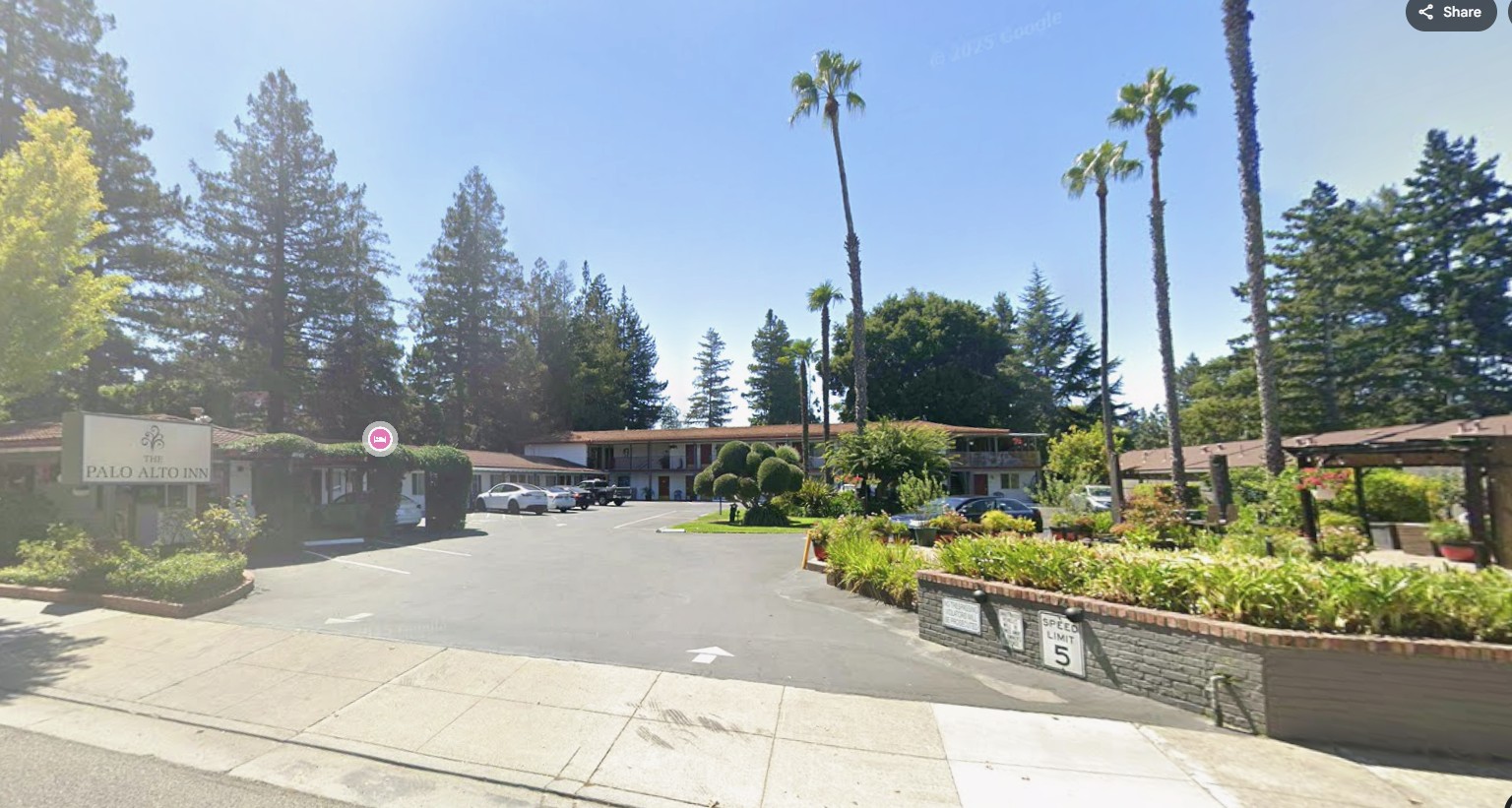
The Dayr-e Gachin motel model is seen all across the western world now. Examples are everywhere including the Palo Alto Inn on the El Camino Real south of San Francisco:

In addition, during the early 19th century in San Diego the Jose Maria Estudillo family designed and constructed a wayward overnight and family residence called La Casa Estudillo using the same idea andshown below:
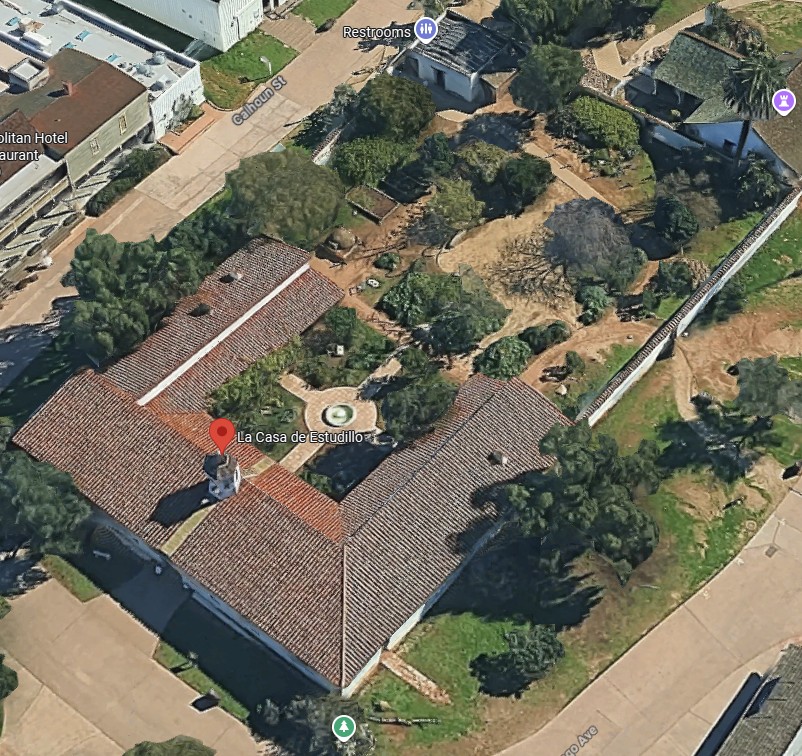
It’s interesting that this structure, in addition to beingthe wayward stopping place along the trail, became in the 20thcentury Romona’s Marriage Place. That ended in the 1960’s and is now a museum.
One more example of this typology, but used differently, is Fisher Friedman’s North Park multifamily project in San Jose, shown below. The formed interior of the plan diagram becomes in this project an outdoor space and only partially enclosed:

The work of Cliff May in Southern California might also deserve mentioning. Particularly the Smith House in La Habra Heights and the Trenchard House in La Jolla, links noted below.
Cliff May: Trenchard house (La Jolla, Calif.) · UCSB ADC Omeka
Cliff May: Smithhouse (La Habra, Calif.) · UCSB ADC Omeka
These are just a few thoughts that come to mind when reading about caravanserai on the Silk Road.
Blog post written by Senior Architect, David Tritt.